
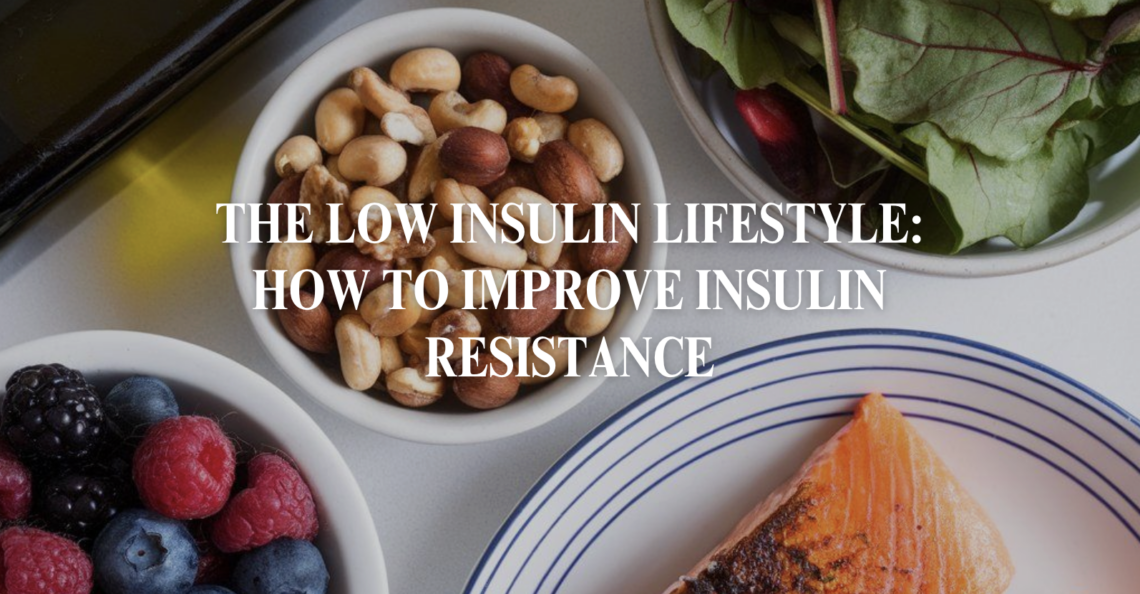
A low insulin lifestyle is often used when someone is experiencing elevated insulin levels, common in PCOS/PMOS. An individual can experience elevated insulin levels without realizing why their weight won’t budge, they have intense sugar cravings, irregular cycles, or constant mood changes. Even if your labs show normal fasting blood sugar or a normal A1c, you may still have elevated insulin levels. It’s important to note that elevated insulin levels do not equal pre-diabetes or diabetes. Having elevated insulin does not always mean you have PCOS.
Elevated insulin, or insulin resistance, simply means that your cells stop responding normally to insulin so your body produces more insulin to compensate. Over time, this can disrupt hormones, make it harder to manage weight, and leave you feeling low on energy. Elevated insulin also affects the whole body health including metabolism, mood, skin, and overall well-being. In this article, we’ll cover what insulin is and how it can become resistant, common symptoms, and what a low insulin lifestyle looks like.
What is Insulin?
Insulin is a hormone that takes excess blood sugar and lets them enter cells. Think of it as the key to open the door to cells in the body.
When glucose enters the blood stream, insulin has the role of lowering glucose levels.
However, when glucose constantly spikes, insulin has to work harder. More is pumped out of the pancreas to compensate for the glucose spikes.
After this happens for a prolonged period of time, insulin can become resistant.
Insulin resistance means that cells stop responding normally to insulin and the body produces more.
Over time, this can lead to weight gain, constant fatigue, cravings, and inflammation.
Since insulin is not commonly checked on a basic lab panel, it can go unnoticed. Your blood sugar can still look normal, even when insulin is elevated in the background.
To lower insulin levels, normal diets typically won’t work, they focus more on cutting carbohydrates and calories but miss the key picture: insulin.
Certain foods spike insulin more than others. When insulin-spiking foods are reduced, the body is able to take a break, manage blood sugar more efficiently, without the excess insulin, and come back into balance.
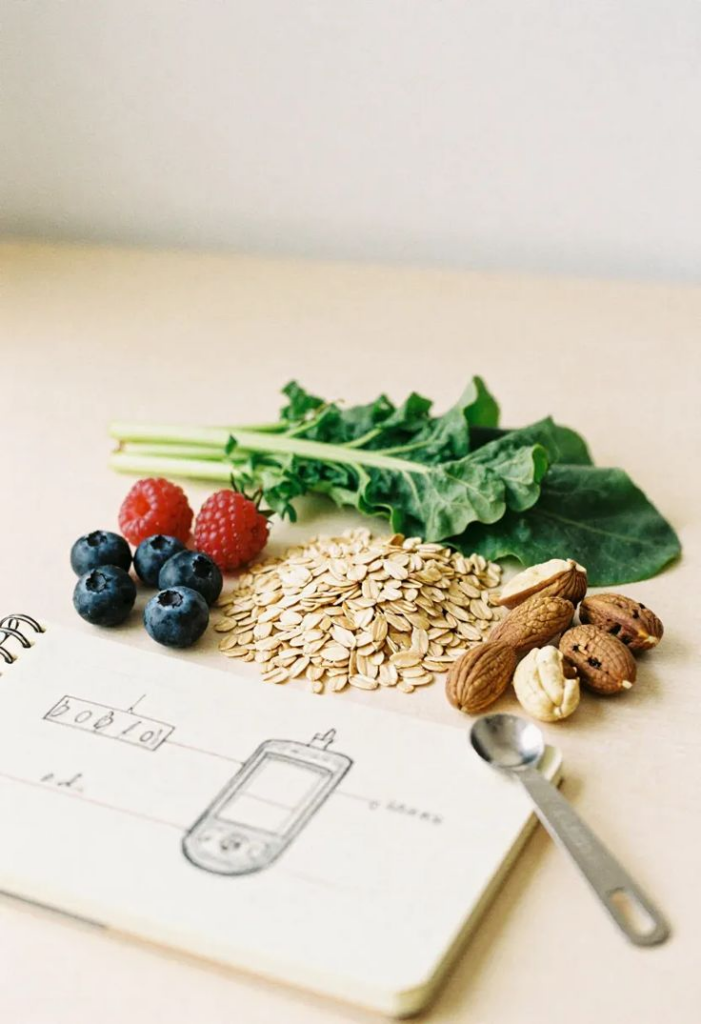
Symptoms and Causes of Insulin Resistance
Insulin resistance happens when your cells stop responding properly to insulin, the hormone that helps move sugar from your blood into your cells.
To compensate, your body produces more insulin and over time, this can lead to weight gain, constant fatigue, cravings, and inflammation.
Other Symptoms Associated With Insulin Resistance:
- Fatigue after meals
- Cravings for carbs or sweets
- Difficulty losing weight, especially around the waist
- Darkened patches of skin (called acanthosis nigricans), especially on the neck or armpits
- Skin tags
Causes of Insulin Resistance:
- Excess weight
- Lack of movement and exercise
- Family history of Type 2 Diabetes
- Hormonal conditions such as PCOS/PMOS or Cushing’s syndrome
- Chronic stress and poor sleep
- Taking certain medications, such as glucocorticoids and antipsychotics
What is a Low Insulin Lifestyle?
A Low Insulin Lifestyle focuses on supporting healthy insulin levels through the foods you eat and the way you live.
Rather than focusing only on calories or weight loss, the goal is to make choices that help keep insulin levels more balanced throughout the day.
This includes choosing foods with a lower insulin response, staying active, prioritizing sleep, and managing stress. Together, these habits can support insulin sensitivity, hormone balance, and long-term metabolic health.
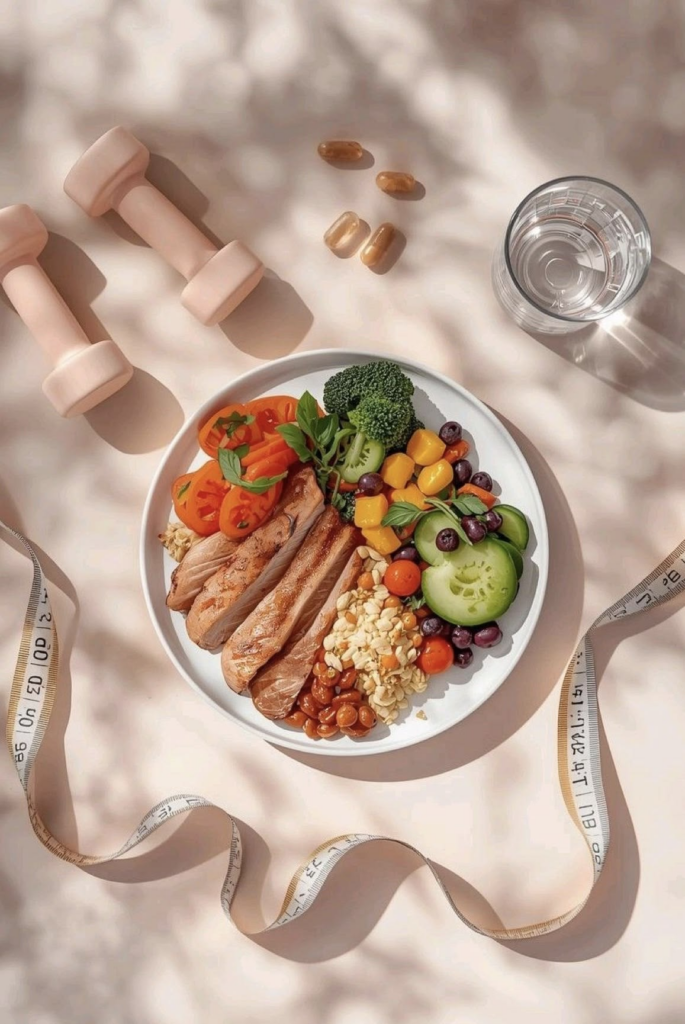
How to Follow a Low-Insulin Lifestyle
A Low Insulin Lifestyle focuses on supporting healthy insulin levels through the foods you eat and the way you live. Rather than focusing only on calories or weight, the goal is to understand how different foods and lifestyle factors affect insulin and blood sugar.
Following a Low Insulin Lifestyle means prioritizing foods that have a lower impact on insulin while limiting foods that cause larger insulin spikes.
This includes reducing added sugars, refined carbohydrates, and other foods that may contribute to elevated insulin levels.
Instead, meals are built around foods that help support stable blood sugar and insulin levels.
A Low Insulin Lifestyle also extends beyond food.
Regular movement, quality sleep, and managing chronic stress can all play an important role in supporting insulin sensitivity and overall metabolic health. The goal is to create sustainable habits that support your body and hormones over time.
Focus on Low-Insulin Foods
The foundation of a Low Insulin Lifestyle is choosing foods that have a lower impact on insulin. This means focusing on foods that provide nutrients and satisfaction while limiting foods that can cause significant insulin spikes. See below for a list of foods to typically avoid when following a low-insulin lifestyle.
Move Your Body Regularly
Movement is another important part of a Low Insulin Lifestyle. Regular physical activity can help your body use glucose for energy and support insulin sensitivity. This does not necessarily mean spending hours in the gym. Walking, strength training, and other forms of regular movement can all be incorporated into your daily routine.
Prioritize Sleep and Manage Stress
Sleep and stress are also important parts of supporting healthy insulin levels. Poor sleep and chronic stress can affect hormones, appetite, energy, and blood sugar regulation. Prioritizing consistent sleep and finding ways to manage daily stress can support your overall health and make it easier to maintain healthy lifestyle habits.
Focus on Consistency
A Low Insulin Lifestyle is not about making one perfect choice or following a short-term diet. It is about creating consistent habits that support your metabolic and hormonal health over time. By understanding how food and lifestyle factors affect insulin, you can make informed choices that support your energy, hormones, metabolism, and overall well-being.
Insulin Spiking Foods to Avoid:
This doesn’t mean striving for perfection. Instead, focus on building meals around foods that support more stable insulin levels most of the time while limiting foods that are known to cause larger insulin spikes.
- Certain dairy products
- Dairy milk, whey protein, cottage cheese, ricotta cheese, processed cheese
- Sugar and Natural Sweeteners
- Honey, agave nectar, maple syrup
- Any condiment with sugar in the first 5 ingredients
- Certain Cuts of Meats
- Maple or honey glazed meats
- Fatty cuts of meat
- Potatoes (including sweet potatoes)
- Beans or lentils
- Grains or grain products (corn, wheat, rice, quinoa, oats)
- Fruit juices, sweetened canned fruit, or dried fruit
- Inflammatory oils
- Vegetable oil, canola oil, corn oil, cottonseed oil, and hydrogenated oils
- Roasted or sugar sweetened nuts

Benefits of a Low Insulin Lifestyle
A Low Insulin Lifestyle is designed to support healthy insulin levels through nutrition and lifestyle habits. As insulin becomes more balanced, many people notice improvements in their overall health and well-being. While everyone’s experience is different, potential benefits may include:
- More stable energy throughout the day
- Fewer sugar and carbohydrate cravings
- Improved blood sugar regulation
- Support for healthy weight management
- Reduced inflammation
- Better hormone balance
- More regular menstrual cycles
- Clearer skin
- Improved mood and emotional well-being
- Better metabolic health
These changes don’t happen overnight, and results can vary from person to person. A Low Insulin Lifestyle isn’t about being perfect, it’s about making consistent choices that support healthier insulin levels over time. As insulin becomes more balanced, many people find that managing their health feels easier and more sustainable.

Why Insulin Matters for PCOS/PMOS
Most people think PCOS/PMOS is just a hormone issue but insulin is often the real driver. Up to 95% of women with PCOS/PMOS have some degree of insulin resistance, even if they’re not overweight.
Weight Loss
Stubborn weight is a common symptom of PCOS/PMOS. Insulin plays a major role in how your body stores and uses energy.
When insulin levels are high, your body is more likely to store fat and less able to burn it. This can make weight loss feel slow or even impossible, even when you’re doing everything “right.”
Irregular Periods
Irregular or missed periods are another sign of PCOS/PMOS and insulin plays a big role.
When insulin levels are high, your ovaries can start producing more androgens (male hormones), which can interfere with ovulation.
Without regular ovulation, your cycle can become unpredictable or stop altogether.
When insulin levels come down, your body has a better chance of getting back into a more regular cycle.
Acne
Hormonal acne in PCOS/PMOS isn’t a root cause problem. It’s a symptom that stems from some issue down deeper. Higher insulin levels can increase androgen production, which leads to more oil production in your skin. This excess in androgen production can also increase unwanted hair (hirsutism) or cause hair loss.
That extra oil can clog pores and lead to breakouts, especially around the jawline and chin. Because the root cause is hormonal, surface-level treatments don’t always solve it. Focusing on insulin and blood sugar balancing can help address what’s driving the breakouts in the first place.
Infertility
Ovulation is a key part of fertility, and insulin plays a role in whether it happens regularly.
When insulin levels are high, it can disrupt the signals that control ovulation.
Without consistent ovulation, it can be harder to conceive.
Insulin can also affect egg quality, implantation, and the early development of the placenta, all of which play a role in a healthy pregnancy.
Higher insulin levels have also been linked to an increased risk of miscarriage.
When insulin is more balanced, your body is more likely to ovulate regularly and support a healthier pregnancy environment.
Mood Swings
PCOS/PMOS doesn’t just affect your body, it can affect how you feel too. Insulin plays a role in how your brain regulates key chemicals like dopamine and serotonin. These are important for mood, motivation, and emotional balance.
When insulin levels are elevated, these signals can become less consistent, which may contribute to feelings of anxiety, low mood, or lack of motivation.
Over time, this can make it harder to feel like yourself. Supporting healthy insulin levels can help bring more stability to both your energy and your mood.
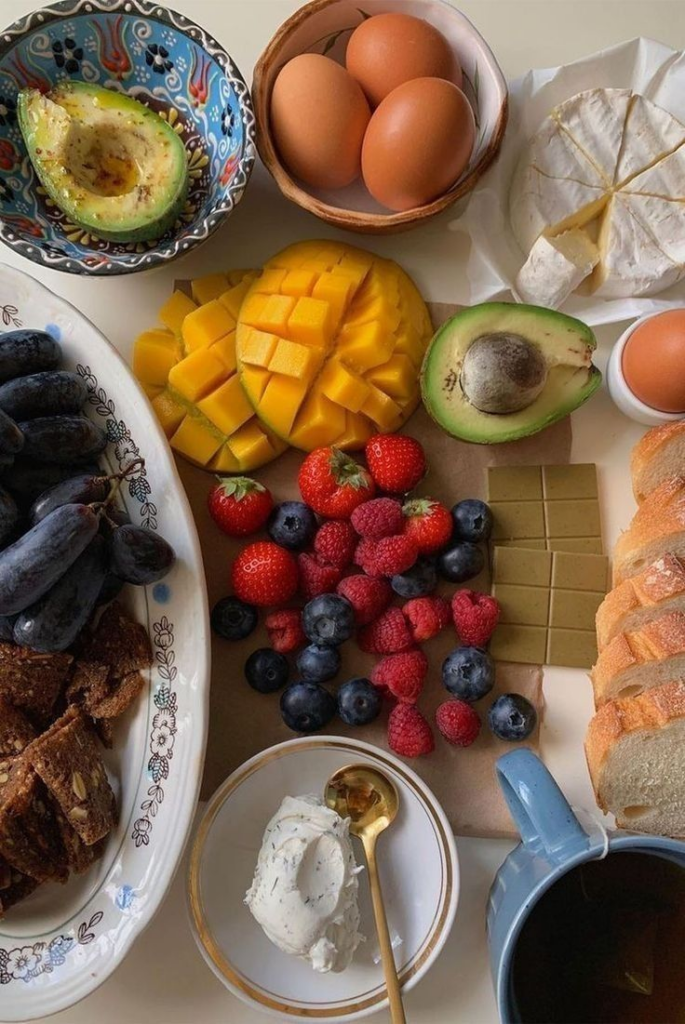
Final Thoughts
Living with insulin resistance or PCOS can feel frustrating, especially when you’re doing everything ‘right’ but not seeing results.
A Low Insulin Lifestyle isn’t about perfection or following another restrictive diet. It’s about making intentional choices that support healthy insulin levels through the foods you eat, regular movement, quality sleep, and other sustainable lifestyle habits.
Over time, these small, consistent changes can have a meaningful impact on your energy, hormones, metabolism, and overall well-being.
Work With a Registered Dietitian
If you’re struggling with symptoms of insulin resistance or PCOS, you don’t have to figure it out alone. Working with a registered dietitian can help you better understand your symptoms, create a personalized nutrition plan, and determine whether additional lab work, including fasting insulin, may provide more insight into your health. Through Nourish, you can work with Cassidy, or another registered dietitian, to optimize your health. Book an appointment with a registered dietitian HERE!
If you loved these tips, you might also enjoy our other blog posts, or follow us on Instagram or TikTok for daily inspiration!
Stay nourished,
The Nourished Dietitians Team